
Sheetrock Installation & Repair Services

- New Walls, Ceilings, Patches & Finishing -

  • Since 2010
  • Bonded And Insured
Downtown Los Angeles skyline with palm trees

Quality Walls
Stronger
Spaces

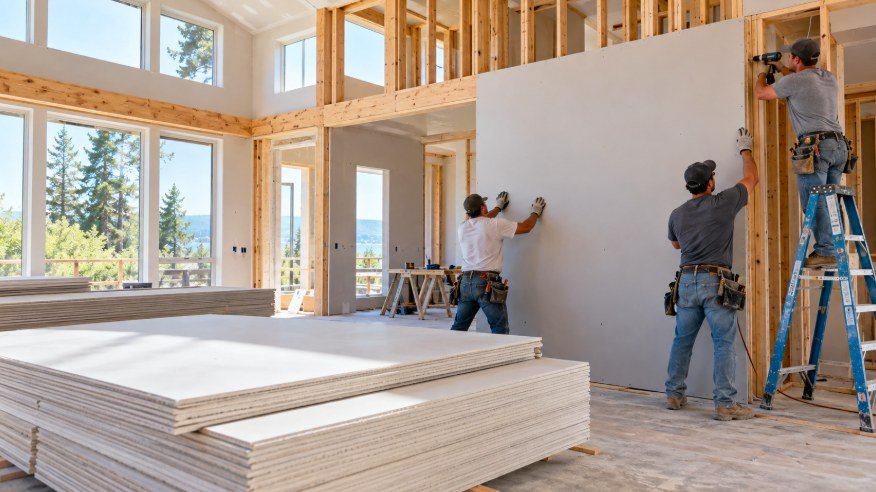
Crew hanging Sheetrock panels on a tall wall in a new home

Installed Right.
Repaired
to Blend In.

Sheetrock Installation & Repair Services

Sheetrock plays a major role in creating smooth, finished walls and ceilings throughout homes, offices, retail spaces, apartments, and other buildings. Whether a project involves new construction, remodeling, damage repair, ceiling work, or replacement of older wallboard, proper installation and finishing help create a clean surface that is ready for paint, texture, trim, cabinetry, and other interior finishes.

Our Sheetrock installation and repair services cover complete wall and ceiling installation, patching, crack repair, hole repair, seam repair, corner repair, water-damaged sections, taping, mudding, sanding, finishing, and full replacement when necessary.

Every project is different, so the repair or installation method should match the condition of the existing wall, the location of the damage, the type of room, and the finish required.

Sheetrock Installation

Sheetrock installation is commonly needed during new construction, room additions, remodeling, basement finishing, garage improvements, office build-outs, and interior reconfiguration.

Panels must be measured carefully and fitted around windows, doors, outlets, switches, vents, lighting, plumbing, and other building features.

Proper placement helps reduce unnecessary seams and creates a better foundation for the finishing process.

Once the panels are secured, seams and fasteners can be prepared for taping, joint compound, sanding, and the final surface finish.
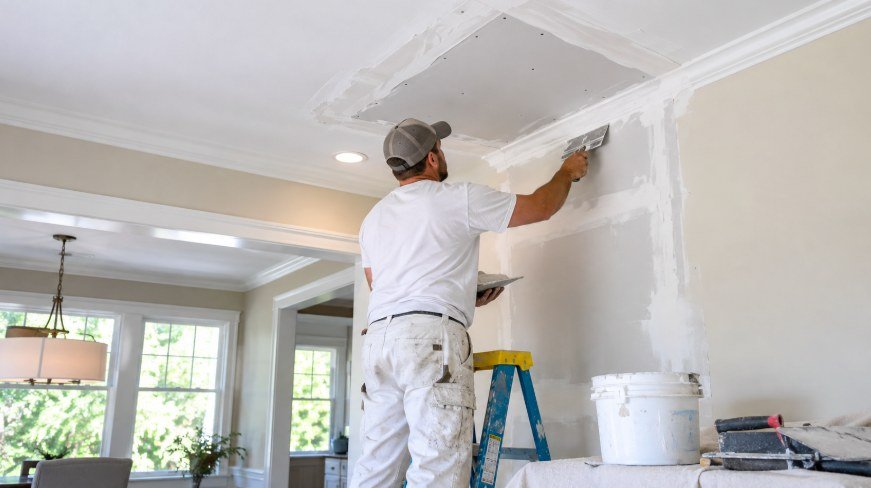
Sheetrock Repair

Sheetrock can become damaged by impact, movement, leaks, remodeling work, furniture, plumbing access, electrical work, or normal wear.

Repair work may range from a small dent to a large damaged section of wall or ceiling.

A proper repair begins by evaluating the damaged area, removing loose or compromised material if needed, installing a patch or replacement section, and then refinishing the surface.

The goal is to restore the area without replacing more Sheetrock than necessary.

Sheetrock Replacement

Some damaged Sheetrock cannot be repaired effectively with a small patch.

Replacement may be appropriate when panels are severely cracked, extensively damaged, water-affected, sagging, deteriorated, or repeatedly repaired.

Depending on the condition of the wall or ceiling, replacement can involve one small section, a full panel, an entire wall, or multiple rooms.

Removing damaged material also provides an opportunity to inspect the underlying framing or other building components before new Sheetrock is installed.

Sheetrock Patch Repair

Sheetrock patch repair is one of the most common methods for restoring localized damage.

A patch may be used after a hole, plumbing access opening, electrical repair, or accidental impact.

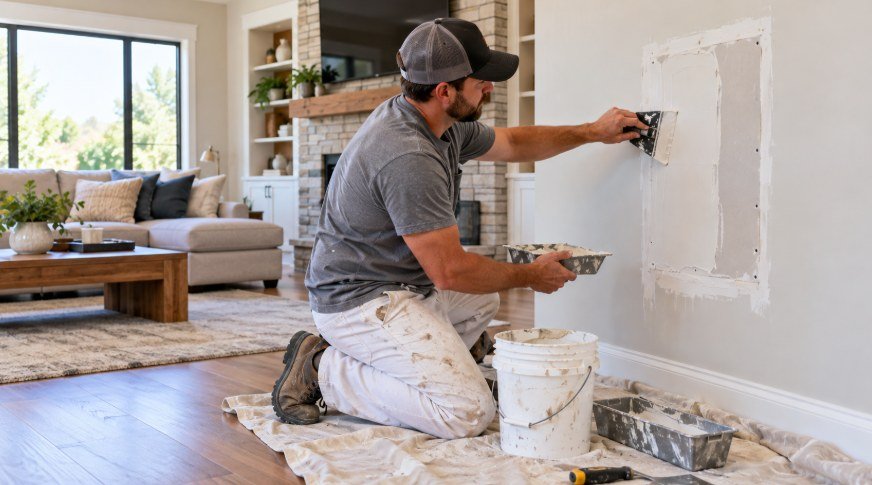
The damaged area is usually cut into a clean shape, backing is added when needed, and a replacement piece of Sheetrock is secured into the opening.

The seams are then taped and coated with joint compound before sanding and finishing.

Technician finishing a Sheetrock patch on a living room wall

Sheetrock Hole Repair

Sheetrock holes can range from small fastener openings to large sections created by accidents or remodeling.

Small holes may require only localized filling and sanding.

Larger holes usually require a fitted Sheetrock patch supported by backing or framing.

Careful repair around the edges of the patch helps reduce visible transitions once the wall has been primed and painted.

Sheetrock Crack Repair

Cracks may develop along seams, corners, ceilings, doorways, windows, or other areas where movement occurs.

Some cracks are purely cosmetic, while others may continue returning if the underlying movement remains.

Sheetrock crack repair may involve removing loose compound, reinforcing the damaged joint, applying tape where necessary, and rebuilding the surface with joint compound.

The repaired section is then sanded and prepared for finishing.

Sheetrock Ceiling Repair

Ceiling Sheetrock can be damaged by leaks, sagging, impact, plumbing access, electrical work, roof problems, or movement.

Ceiling repair may involve small patches, seam repair, crack repair, water-damaged panel replacement, or replacement of a larger section.

Ceiling repairs require careful blending because natural light and recessed lighting can make uneven surfaces especially noticeable.

Drywall technician finishing a ceiling and wall Sheetrock repair in a dining room

Sheetrock Ceiling Installation

New Sheetrock ceilings may be installed during new construction, remodeling, basement finishing, garage projects, room additions, or complete interior renovations.

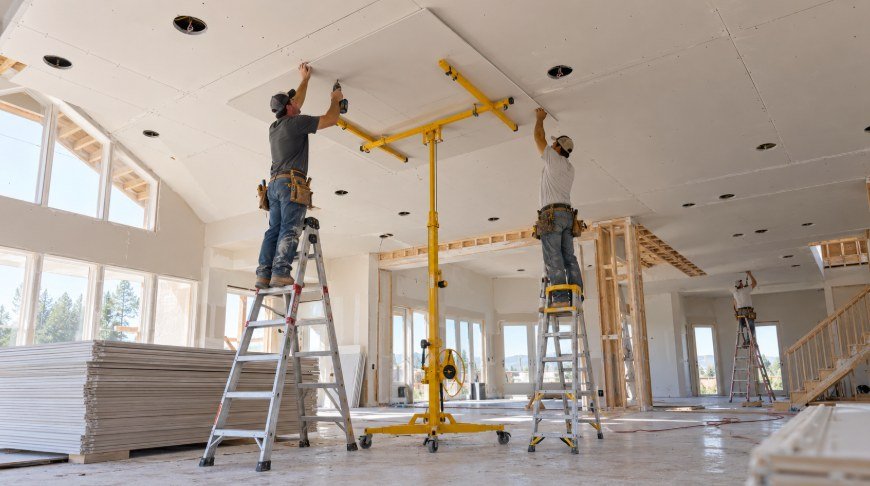
Ceiling installation requires careful panel placement and strong fastening because the material must remain secure overhead.

Panels may need to be fitted around recessed lights, vents, beams, soffits, access panels, and other ceiling features.

A clean installation creates a better base for taping, finishing, texture, and paint.

Installers using a panel lift to hang Sheetrock on a vaulted ceiling

Sheetrock Finishing

Sheetrock finishing is the process that transforms visible panels into a smooth, continuous wall or ceiling.

Finishing can include taping joints, applying multiple coats of joint compound, covering fasteners, shaping corners, sanding, skim coating, and preparing the surface for paint or texture.

The quality of the finishing work strongly affects how the final wall looks under both natural and artificial light.

Sheetrock Taping

Sheetrock tape helps reinforce the joints between panels.

Tape may be applied along flat seams, inside corners, and repair areas before being covered with joint compound.

Proper taping reduces the chance that seams will remain visible through the finished surface.

Loose, bubbling, or cracked tape can also be removed and replaced during repair work.

Sheetrock Mudding

Mudding refers to applying joint compound over tape, seams, fastener heads, patches, and corners.

Several coats may be required depending on the project.

Each coat is typically applied wider and smoother than the previous one, gradually blending the joint into the surrounding surface.

Good mudding helps reduce ridges, low spots, and visible transitions before sanding.

Sheetrock Sanding

Sanding is used to smooth dried joint compound and prepare Sheetrock for primer, paint, or texture.

The goal is not to remove all of the compound, but to eliminate high spots, ridges, tool marks, and uneven edges.

Careful sanding is particularly important around seams, patches, corners, and ceilings.

Dust-control methods can also help keep the surrounding work area cleaner during the process.

Residential Sheetrock

Residential Sheetrock services can include new walls, ceilings, repairs, replacement, remodeling, additions, garages, basements, kitchens, bathrooms, bedrooms, living rooms, condos, apartments, and townhomes.

Homeowners may need Sheetrock work after plumbing repairs, electrical upgrades, water damage, renovations, furniture impact, or room reconfiguration.

Both small repairs and complete installation projects can be completed depending on the condition of the home.

See all residential drywall services →

Commercial Sheetrock

Commercial Sheetrock services may be needed in offices, retail stores, restaurants, warehouses, apartment buildings, medical offices, hotels, schools, and other commercial properties.

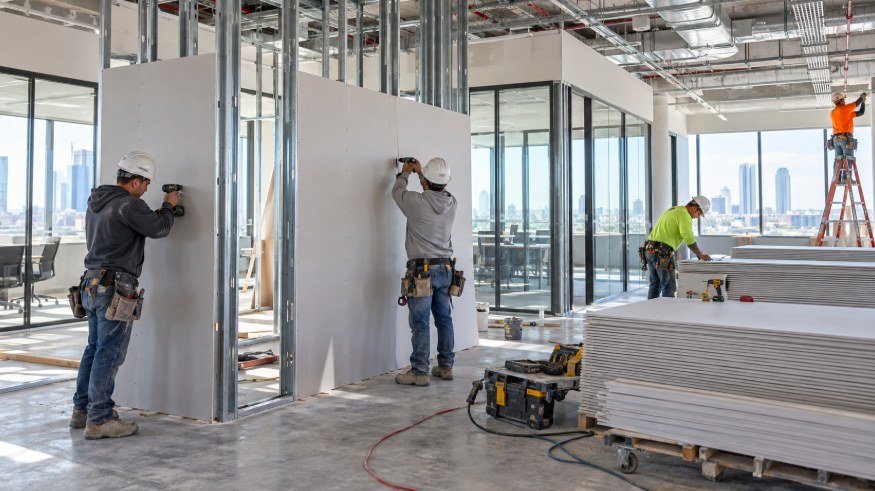
Projects can include new construction, tenant improvements, office partitions, ceiling work, repairs, remodeling, wall replacement, and finishing.

Commercial work often requires coordination with metal framing, electrical systems, HVAC, plumbing, fire-rated assemblies, and other trades.

See all commercial drywall services →

Crew installing Sheetrock on metal stud office partitions in a high-rise

Sheetrock Installation & Repair FAQs

Sheetrock is a well-known brand name of gypsum drywall. Many people use the two words to mean the same thing, and we install and repair both.

Yes. We install new Sheetrock ceilings and repair ceiling patches, cracks, seams, and water-damaged panels, blending them carefully because ceilings are highly visible under lighting.

Replacement is usually better when panels are severely cracked, water-damaged, sagging, deteriorated, or have been repaired many times.

Yes. We tape the seams, apply joint compound in several coats, sand the surface, and prepare it for primer, paint, or texture.

Yes. We provide Sheetrock installation and repair for houses, condos, and apartments as well as offices, retail stores, restaurants, and other commercial buildings.

Complete Sheetrock Installation and Repair

Quality Sheetrock work depends on much more than simply installing panels or covering damage.

Measurements, panel layout, fastener placement, backing, seams, corners, joint treatment, sanding, and finishing all contribute to the final appearance.

A small hole may require a simple patch, while extensive water damage or repeated cracking may require complete replacement.

Ceiling repairs may require different techniques than wall repairs, and residential projects may have different requirements from commercial construction.

From new Sheetrock installation and replacement to patching, taping, mudding, sanding, seam repair, corner repair, and ceiling restoration, complete Sheetrock services can help restore or create smooth interior surfaces throughout a property.

The final objective is a clean, durable wall or ceiling that is properly prepared for primer, paint, texture, trim, or the next stage of the project.

Book Service

Prefer to talk? Call (323) 419-2033

Let’s Build
Better Spaces Together

Professional Drywall Services
for a Stronger, Brighter
Los Angeles